
Heavy Rain Got Into Your Home? What Should You Do After Rainwater Damages Your Basement or Crawl Space?
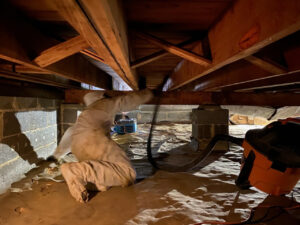 A heavy storm rolling through can leave behind more than just fallen branches and puddles in the yard. When rainwater finds its way into a basement or crawl space, the clock starts ticking on how quickly you respond, and that response can make the difference between a manageable cleanup and a much bigger problem.
The panic of watching water pool where it should not be can make it hard to think clearly about next steps. Having a general idea of what to do beforehand, and knowing when to bring in professional help, can make the actual event far less stressful when it happens.
Why Rainwater Intrusion Happens
Rainwater typically enters a home through foundation cracks, poor exterior grading, clogged or overwhelmed gutters, or window wells that were not designed to handle heavy volume. In crawl spaces, water can also seep directly through the ground during prolonged or intense rainfall.
What to Do in the First 24 to 48 Hours
Remove Standing Water Quickly
Standing water should be removed as soon as it is safe to do so. The longer water sits, the further it soaks into flooring, drywall, and framing materials, and the sooner mold growth can begin, often within just one to two days.
Improve Airflow and Reduce Humidity
Fans and dehumidifiers can help speed up drying in the affected area, though professional grade equipment is typically needed to fully dry materials that have absorbed significant moisture.
Document the Damage
Photographing affected areas before cleanup begins can be helpful for insurance purposes, particularly if structural repairs end up being necessary.
Why Professional Water Extraction Matters
Household fans and a shop vacuum can help with surface water, but they rarely reach moisture that has already been absorbed into subfloors, wall cavities, or crawl space framing. Professional water extraction and drying equipment is designed to address moisture at every level, reducing the risk of hidden mold growth later.
What Comes After the Water Is Gone
This final phase is often where the real difference between a rushed cleanup and a thorough restoration becomes apparent. A homeowner who only focuses on removing visible water and drying carpets may feel like the job is finished, while moisture trapped deeper in the structure quietly continues causing problems for weeks or months afterward.
Once an area is fully dry, it should be inspected for any lingering mold growth, structural damage, or drainage issues that allowed the water in to begin with. Correcting the underlying drainage problem is just as important as cleaning up the water itself, since without that step the same damage is likely to happen again during the next heavy storm.
Working With Your Insurance Company
Many homeowners dealing with storm related water damage will also be working through an insurance claim at the same time. Clear documentation, professional moisture readings, and a detailed scope of the restoration work can all support that process and help ensure the claim reflects the true extent of the damage. Having a restoration team that understands what insurance adjusters typically look for can make a stressful process considerably smoother.
Water Damage Restoration You Can Count On
Pollution Solutions provides fast water damage and drainage restoration services for basements, crawl spaces, and attics throughout the Philadelphia metro area and New Jersey. We also offer mold removal and remediation, mold testing, air quality testing, basement and crawl space encapsulation and vapor barrier installation, crawl space foundation and structural repairs, and insulation removal and installation.
Our team is licensed and insured, and every job includes a warranty. With offices in Philadelphia and New Jersey, we are able to respond quickly to water damage emergencies whenever a storm strikes.
Do Not Wait to Call After a Storm
If rainwater has gotten into your basement or crawl space, time matters. We offer free estimates and rapid response for emergency situations.