
 Can Your HVAC System Actually Spread Mold Spores Through Your Home?
The Connection Between Your HVAC System and Indoor Air Quality
Your HVAC system is designed to keep your home comfortable, but it can also become a highway for airborne contaminants if it is not properly maintained. Many homeowners are surprised to learn that a system responsible for heating and cooling their home can also be responsible for spreading mold spores from one room to another.
How Mold Gets Into an HVAC System
Moisture Inside Ductwork
Condensation naturally forms around cooling coils and inside ductwork, especially in humid climates. If this moisture is not properly drained or if insulation around the ducts is damaged, it creates an environment where mold can begin to grow directly inside the system.
Contaminated Air Handlers
Air handlers located in basements, crawl spaces, or attics are particularly vulnerable, since these areas often have higher humidity levels to begin with. If mold is already present nearby, spores can easily be pulled into the system and distributed throughout the ductwork.
Dirty or Wet Air Filters
A filter that stays damp or is not changed regularly can trap moisture along with dust and debris, creating a surface where mold can take hold before spreading further into the system.
How Spores Travel Through Your Home
Once mold establishes itself inside ductwork or an air handler, every time your HVAC system runs, it can push microscopic spores through the vents and into every room connected to that system. This means a mold problem that started in a single crawl space or attic can end up affecting the air quality throughout your entire house.
This is part of what makes HVAC related mold so concerning. A contamination source that might otherwise stay isolated to one room instead gets actively distributed by the very system meant to keep your home comfortable, turning a localized issue into a whole house air quality concern in a relatively short amount of time.
Preventing Mold Growth Inside Your HVAC System
Routine maintenance plays a major role in prevention. Changing filters on schedule, having ductwork inspected periodically, ensuring condensate drain lines are clear, and controlling humidity in the areas where your air handler and ductwork are located can all reduce the chances of mold establishing itself in the first place. Homes with air handlers in basements, crawl spaces, or attics should pay particularly close attention to humidity control in those areas, since they tend to run more humid than the rest of the house.
Signs Your HVAC System May Be Distributing Mold
A Musty Smell When the System Turns On
If you notice an odor specifically when your heating or air conditioning kicks on, it is often a sign that mold is present somewhere in the ductwork or air handler.
Worsening Allergy or Respiratory Symptoms
An increase in sneezing, coughing, or respiratory irritation that improves when you leave the house can point toward mold spores circulating through the air.
Visible Mold Near Vents or Registers
Discoloration or visible growth around supply and return vents is a clear indication that mold has reached the ductwork itself.
What to Do if You Suspect HVAC Mold Contamination
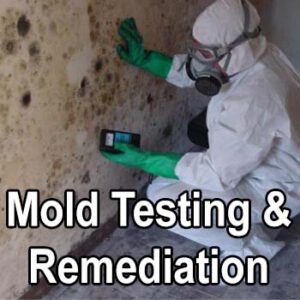
If you suspect your HVAC system is spreading mold, professional air quality testing can confirm whether spores are present and identify the source of the contamination. From there, a targeted remediation plan can address the mold at its origin, whether that is in a crawl space, attic, basement, or the ductwork itself.
How Pollution Solutions Can Help
At Pollution Solutions, we specialize in restoration and remediation services commonly needed in basements, crawl spaces, and attics, the very areas where HVAC related mold problems often begin. Our main services include mold removal and remediation, mold testing, air quality testing, water damage and drainage solutions, basement and crawl space encapsulation and vapor barrier installation, crawl space foundation and structural repairs, insulation removal and installation, and more.
We are licensed, insured, and we back every job with a warranty. With offices in Philadelphia and New Jersey, we are local and ready to respond quickly to your mold concerns. We offer free estimates. Contact us today to schedule your time and breathe easier in your home.